November 10, 2026
As summer moves south, what can governments learn from Europe’s wildfire season?
Attributed to Lieutenant-General (Retired) Michael Hood, Advisor, Jetcraft Special Missions
As the Northern Hemisphere moves into autumn after a summer of extreme heat and devastating wildfires, attention is turning towards the Southern Hemisphere, where countries are preparing for their own summer wildfire risks.
Europe’s experience this year placed significant pressure on national disaster response capabilities. Across the continent, wildfires stretched emergency services and reignited discussions about whether governments have sufficient resources to respond to these crises.
In September, European Commission President Ursula von der Leyen called for proposals for a future European Firefighting Fleet, recognising the need to strengthen the continent’s ability to respond to future crises. For governments approaching their own high-risk seasons, this raises the question – are existing aerial capabilities equipped to meet the demands of the summer ahead?
The aircraft working behind the scenes
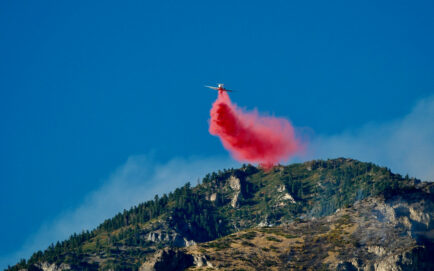
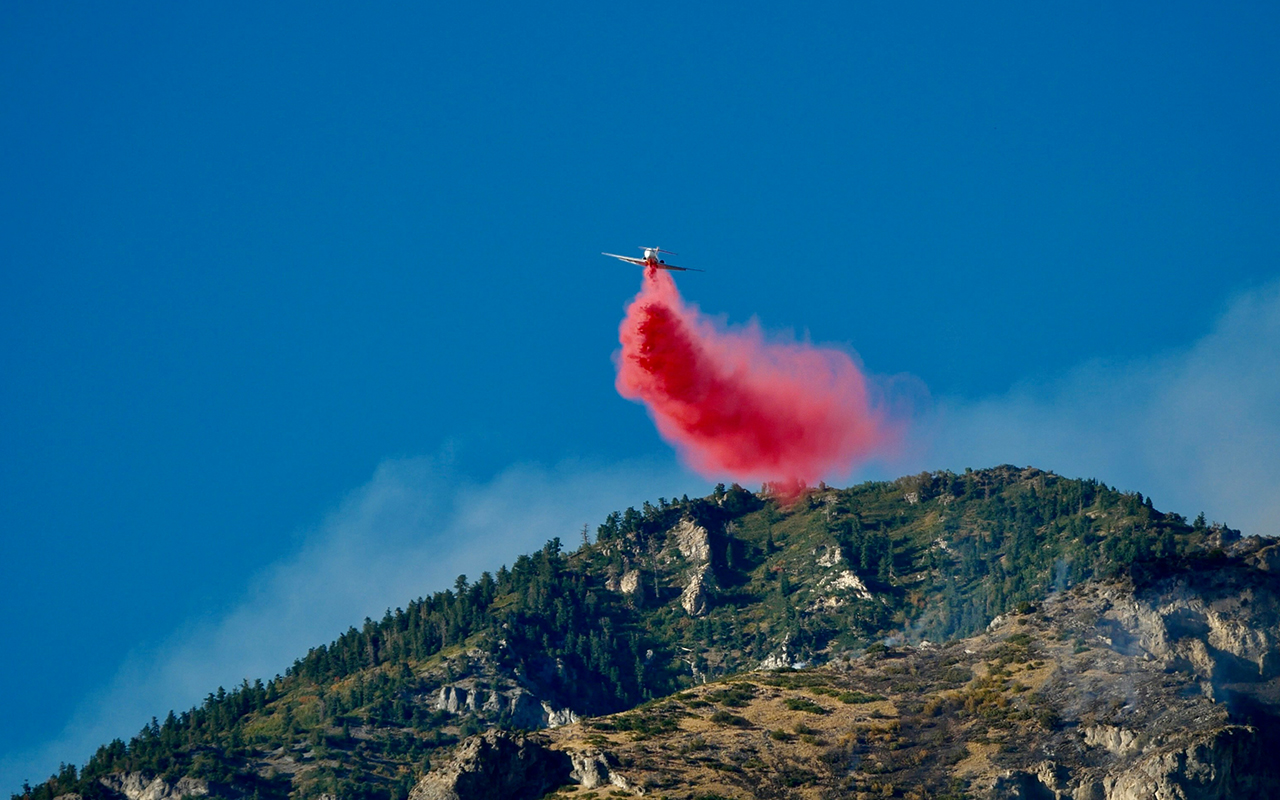
When we think about aerial firefighting, water-bombing aircraft are often the first to come to mind. These aircraft are essential, but they represent only one part of an effective response mission.
During a major wildfire, governments must also understand how a fire is developing and the potential spread, coordinating teams across large areas, identifying communities at risk and transporting people and equipment to where they are most needed.
Aircraft equipped for surveillance, reconnaissance, communications and transport play a critical role in these operations, helping emergency services make informed decisions and deploy resources more effectively.
Capability is not simply about the number of aircraft in a fleet, but whether those aircraft can operate together effectively when circumstances change rapidly.
How access to capacity is changing
Traditionally, international cooperation has been an important part of disaster response, with countries sharing aircraft and specialist resources when emergencies exceed national capabilities.
Whilst this cooperation remains essential, as weather patterns change, governments must consider what happens when neighbouring countries face major emergencies simultaneously, or when increasingly unpredictable fire seasons create competing demands for the same resources.
Greater resilience does not necessarily mean purchasing entirely new fleets, especially in a time where the aviation industry faces OEM backlogs stretching over 17,000 aircraft. Existing aircraft can offer governments an alternative route to strengthening capacity, particularly where suitable platforms can be adapted for specialist missions.
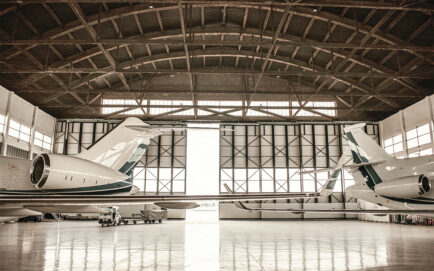
Business aviation platforms can be adapted with specialist equipment to support surveillance, mission coordination and personnel transport, depending on operational requirements. The Canadian Government, for example, just provided ten surplus C-130s to be converted to firefighting aircraft. Similarly, the Province of Saskatchewan is converting used De Havilland Q-400 passenger aircraft into this role. And there are many other aircraft that can similarly be transformed into effective platforms for fighting wildfires.
This approach can provide an alternative to purchasing, new, purpose-built aircraft, although modifications, certification and mission readiness still require careful consideration. The priority should be understanding where capability gaps exist and identifying practical ways to address them before those gaps become critical.
Preparing before the heat is on
For Southern Hemisphere governments, the coming months present an opportunity to assess their readiness while lessons from Europe’s wildfire season remain fresh.
This means looking at the wider role aviation plays in disaster response, rather than focusing solely on frontline firefighting assets. It also means reviewing whether existing fleets can be used more effectively and where additional capabilities may be needed.
As the seasons shift, the lesson from Europe is not simply that more aircraft are needed. It is that effective disaster preparedness depends on having the right capabilities in place, ready to act when they matter most.
SIGN UP FOR OUR MONTHLY JETSTREAM RECAP
Don't miss future Jetstream articles. Sign up for our Jetcraft News mailing list to receive a monthly eblast with links to our latest articles. Click to join the 1,800+ subscribers on our mailing list.